
Our Technology
DynaMood™ technologies and pixel protocols — the intelligence built into Traxon luminaires and e:cue controls.
What is DynaMood™ Technologies?
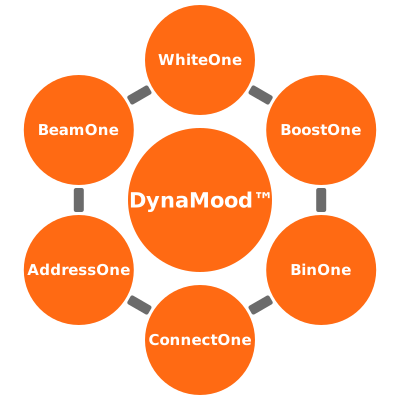
DynaMood™, developed by Traxon e:cue, is an architecture of leading technologies built into the luminaire control platform that enhance product capabilities and improve performance, while providing flexibility and intelligence to Traxon lighting solutions.
Six technologies at a glance
- WhiteOneImproves the quality and brightness of white of media products with RGBW LEDs using smart algorithms built into the luminaire and e:cue controls
- BoostOneMaximizes light output for any color by utilizing unused power using smart algorithms built into the luminaire and e:cue controls
- BinOneAdvanced process perfects color calibration to unify different LED bins across production
- ConnectOneExceeds the DMX protocol with more capacity and flexibility by utilizing Traxon e:cue's proprietary e:net & e:pix technology
- AddressOneIntelligent algorithm for auto-addressing simplifies and speeds up project programming
- BeamOneOptimized use of narrow optics and spread lenses to accomplish wide range beam angle application
WhiteOne
WhiteOne provides intelligent algorithms to our portfolio with RGBW LEDs to improve the quality and brightness of white for media projects. The algorithms are selected using the e:cue Programmer or SYMPHOLIGHT software.
- Improve white display quality
- Allows mix of white with RGB
- Enhance brightness in RGB content
- Presets in RDM allow control of white via 3 channel video input
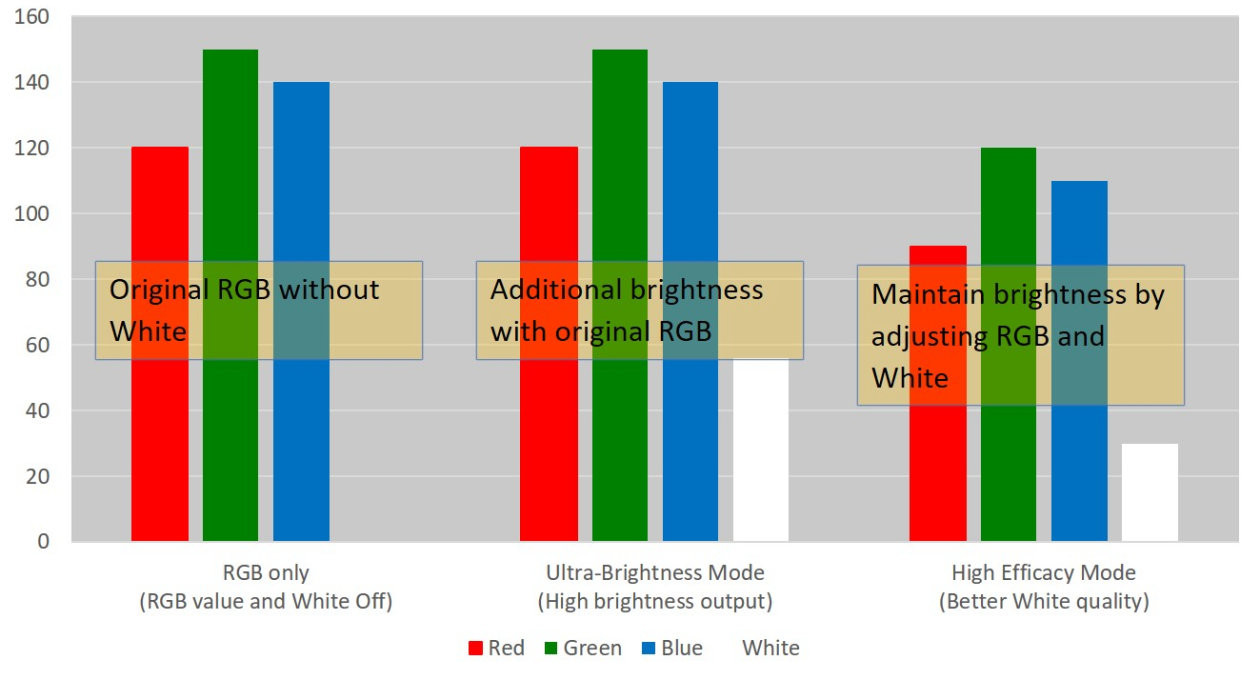
WhiteOne Algorithms:
- RGB Only – Turn off the white emitter
- Ultra Brightness Mode – Adds white without reducing RGB brightness
- High Efficacy Mode – Better white quality by adding white and adjusting the RGB value automatically to maintain an overall brightness
Products using this technology:
- Allegro Dot RGBW
- Media Tube HO RGBW
ConnectOne
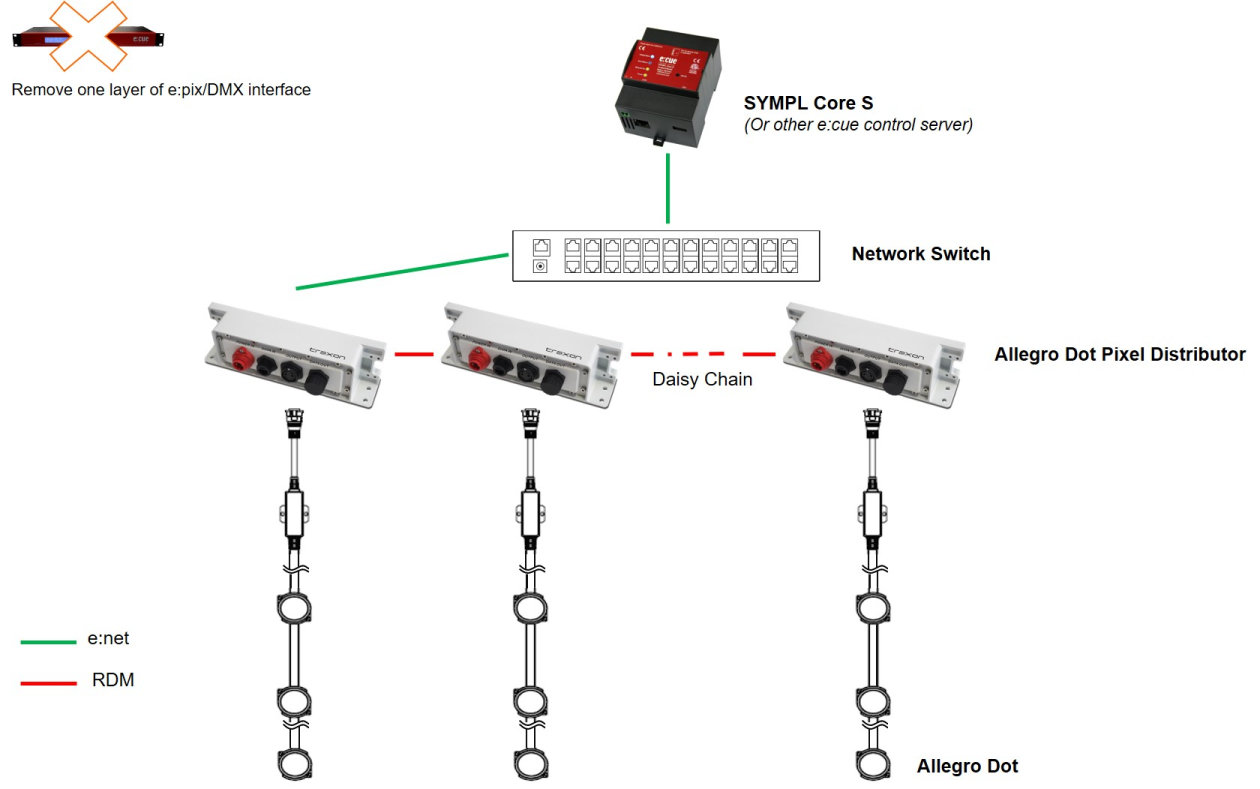
Exceeding the DMX protocol with more capacity and flexibility by utilizing our proprietary communication protocols e:net & e:pix.
- e:pix increases the available control channels from 512 to 2,048 on 1 universe
- RDM bi-directional feedback
- Streamlines control architecture
- Maximizes connection possibilities by embedding several protocols into the luminaire
Available only when paired with e:cue control products
Products using this technology:
- Allegro Dot RGBW
BoostOne
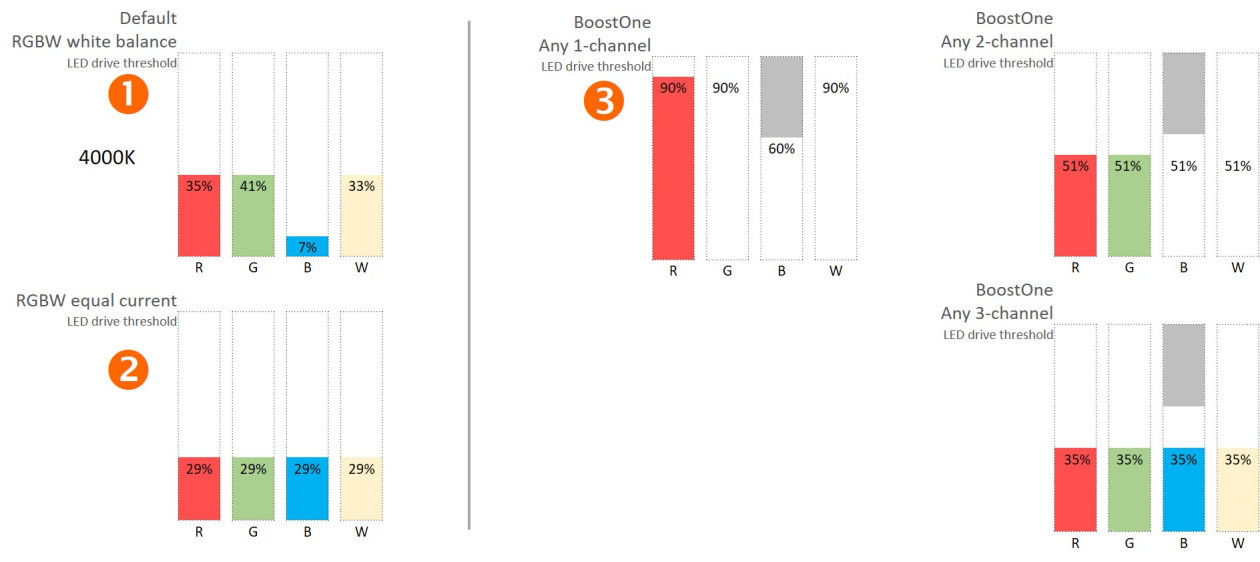
An intelligent algorithm allows the programmer to maximize the light output by shifting the power applied to the red, green, blue or white channels when all colors are not required. Using BoostOne mode, you can boost any combination of the colors in order to increase the output. The BoostOne algorithms are selected using our SYMPHOLIGHT software, and selection via the RDM personality.
Products using this technology:
- Allegro Linear AC
- Allegro Washer AC
AddressOne
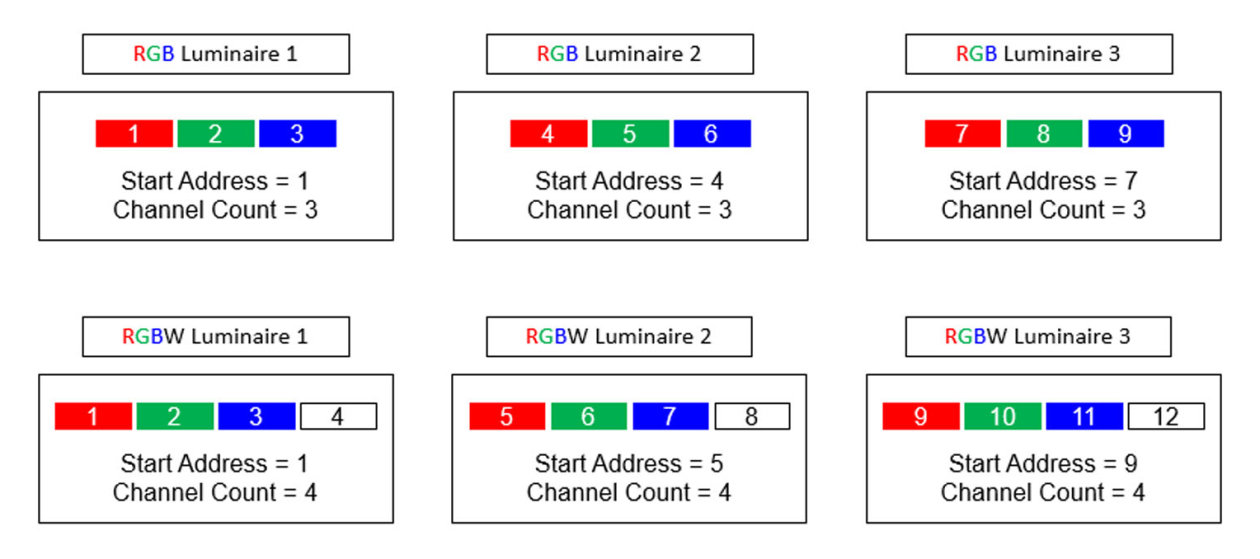
Intelligent algorithm for auto-addressing which enables easy installation, and quicker project programming. The technology eliminates the need for manually addressing each luminaire on a project and reduces the labor-intensive process of writing down serial numbers. If a luminaire should stop functioning, this technology eliminates interruption of data beyond the defective luminaire. In addition, it provides a reduction in commissioning time where all pixels are assigned an address automatically starting with the first fixture.
Products using this technology:
- Allegro Linear AC
- Allegro Dot
- Allegro Washer AC
BeamOne
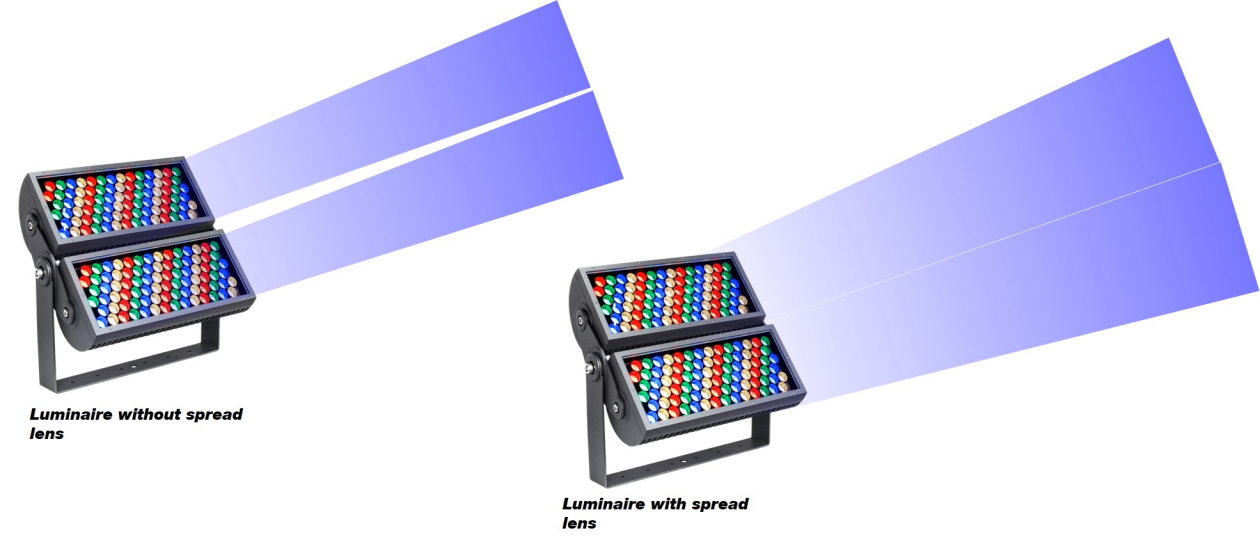
Optimizing luminaire design by integrating narrow beam optics and pairing it with field installed spread lenses. This provides a wide range beam angle options, and enables the designer to more easily customize and adjust the optics packages through the projects development. It is ideally suited for applications that require for long throw control and flexibility of distribution.
Products using this technology:
- ProPoint Vista (200W / 400W / 100Wx1 / 100Wx2 / 100Wx3)
- Allegro Washer AC
BinOne
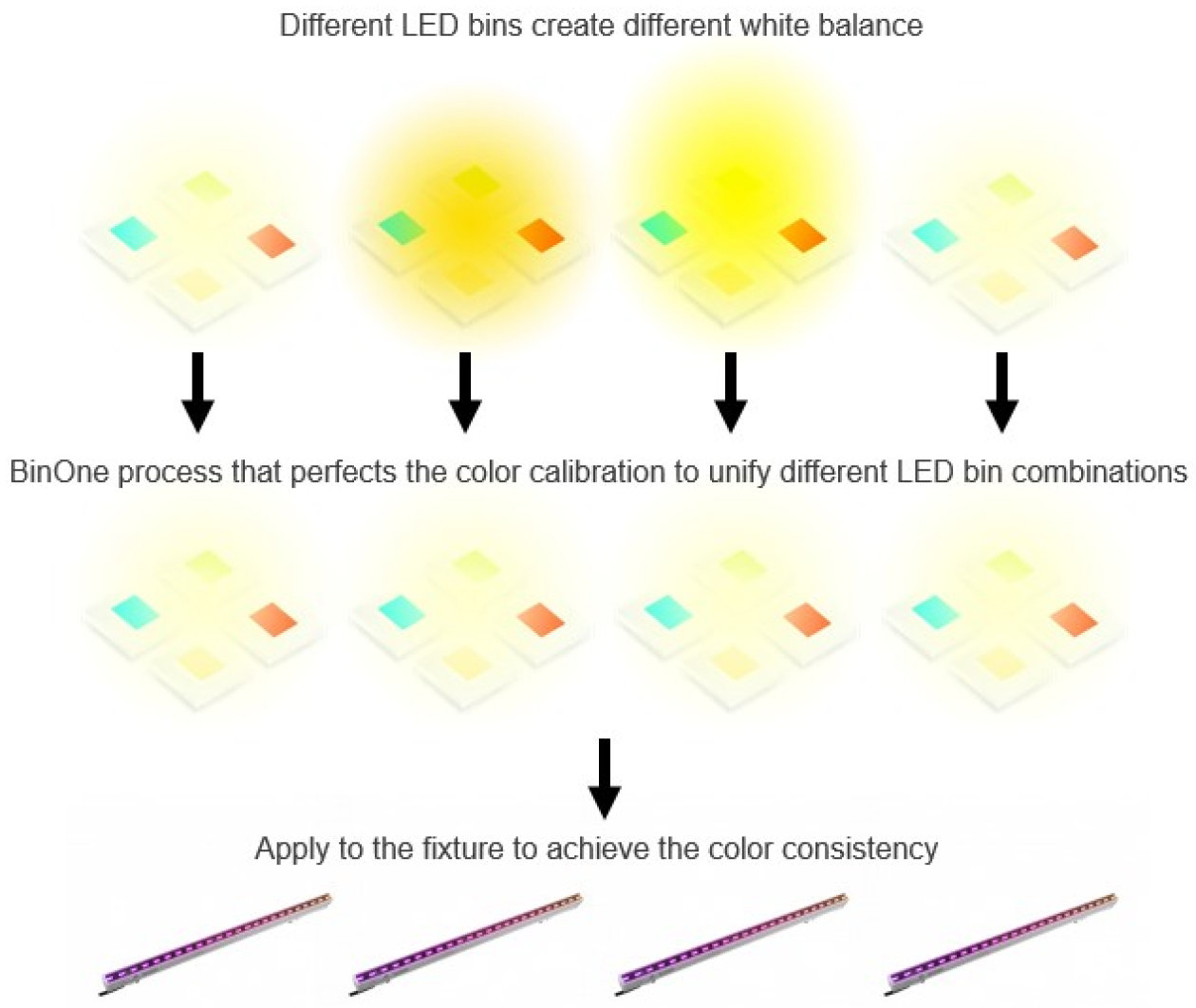
An advanced process that perfects the color calibration to unify different LED bin combinations. This ensures color consistency between LEDs across the range of the product manufacturing. BinOne therefore allows you to add product to a project at a later time, without being concerned about color mixing matching.
Products using this technology:
- Media Tube HO RGBW
- Allegro Linear AC
- Allegro Washer AC
DynaMood™ Technologies Summary
| Feature | Description |
|---|---|
| WhiteOne | Improves the quality and brightness of white of media products with RGBW LEDs using smart algorithms built into the luminaire and e:cue controls |
| BoostOne | Maximizes light output for any color by utilizing unused power using smart algorithms built into the luminaire and e:cue controls |
| BinOne | Advanced process perfects color calibration to unify different LED bins across production |
| ConnectOne | Exceeds the DMX protocol with more capacity and flexibility by utilizing Traxon e:cue's proprietary e:net & e:pix technology |
| AddressOne | Intelligent algorithm for auto-addressing simplifies and speeds up project programming |
| BeamOne | Optimized use of narrow optics and spread lenses to accomplish wide range beam angle application |
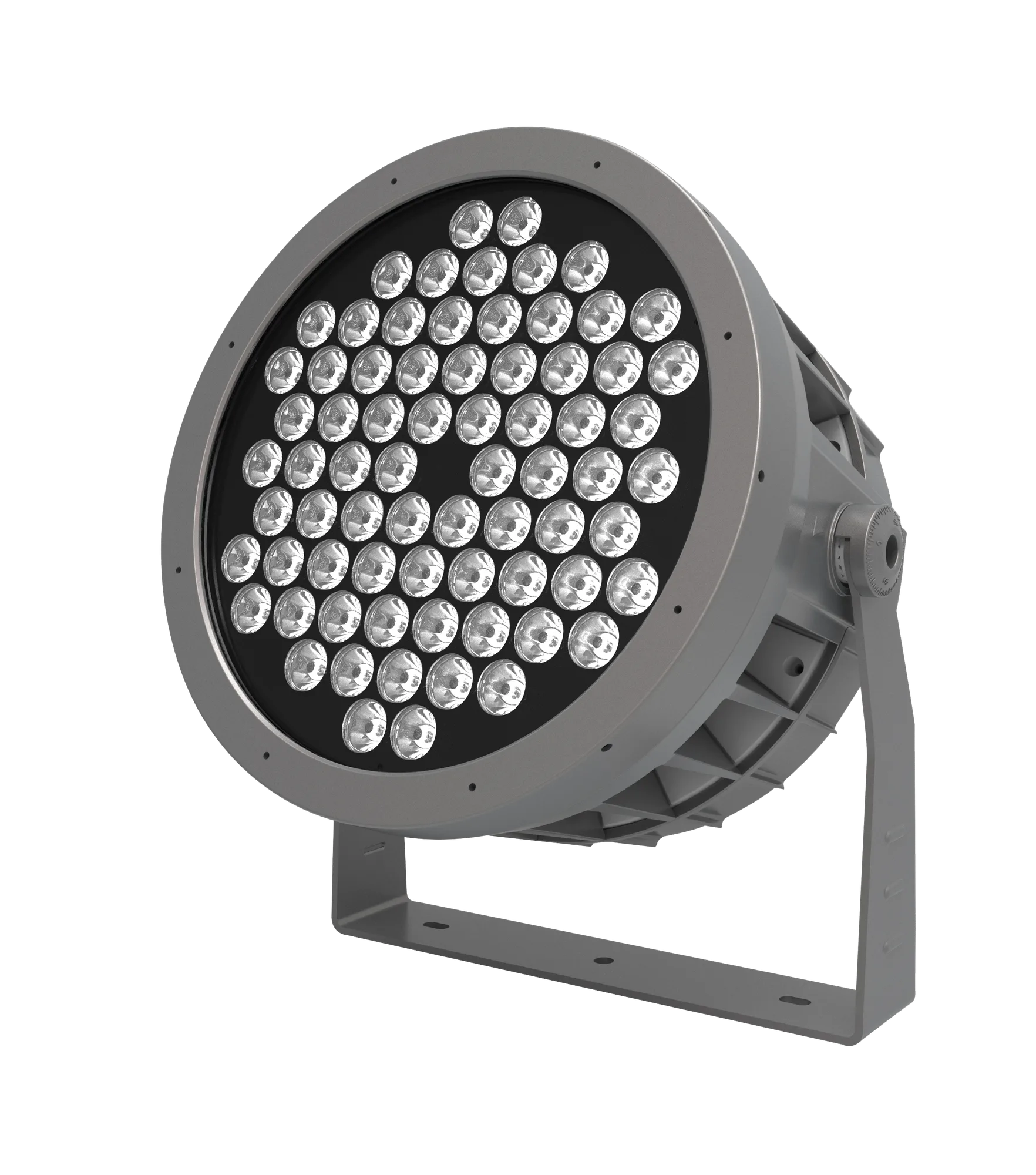
Products with DynaMood™ technologies

Pixel protocols: asynchronous & synchronous (SPI)
DMX is very common for the control of dynamic luminaires and offers many advantages, but the differential protocol (D+,D-) must be converted e.g. into an asynchronous protocol for the control (dimming) of luminaires and pixels. This requires additional components and space inside the luminaire. Also, the number of channels is limited to 512. Especially for products like single-pixel controllable flex-tapes or chains this can be a disadvantage. Here it often makes sense to send directly the asynchronous or synchronous protocols directly to the converter/dimmer (chip). There are many chip types (RGB, RGBW, Monochrome) and chip manufacturers as well as those directly integrated in the LED or separately on the PCB.
This saves a lot of space, reduces hardware costs and allows a high number of channels to be controlled per line – resulting in new creative, higher resolution and highly flexible products. Due to the fact that the protocol is not differential (data+, data-) like DMX, the distance between the output device and the luminaire is reduced to about 3 m. With special converters – e.g. the e:cue Pixel Range Extender – the corresponding asynchronous protocol can be reliably transported up to 300 m. Here the controller first outputs the asynchronous protocol “differentially” (data+, data-, ground) and then converts it back again just before the LED product (D, ground).
Application areas and products
- Hospitality(bar, clubs) LED pixel strips, contour fixtures
- ArtPixel tubes, pixel mesh, dots, LED tapes
- SignageContour fixtures, mesh, boards, LED tapes
- Seasonal lightMini LED chains, coloured LED strips
Some facts
- There are many different asynchronous and synchronous (with additional clock) protocols, also called “SPI”.
- Around 2000 channels are possible on only one line.
- Space-saving due to the smaller number of components.
- With many chips, the intelligence is already located directly in the LED.
- Short distance between the controller and the first pixel – about 3 m.
- With the e:cue Pixel Range Extender, asynchronous protocols can be transported up to 300 meters.
- High-resolution applications are thus easily possible.
Protocols in comparison
| DMX/e:pix | Asynchronous | Synchronous (SPI) | |
|---|---|---|---|
| Chip examples | TM1812, UCS2904, WS2813 | APA102 | |
| Feedback (RDM) | Optional | No | No |
| Max distance between controller and first pixel | 150 m | Approx. 3 m, with Pixel Range Extender up to 300 m | Approx. 3 m |
| Typical application / products | Illumination with washer & liners, dot chains & low resolution tubes, strips & boards | Medial and artistic installations. Pixel tapes, tubes, LED chains, pixel mesh, boards. Products with high pixel density (resolution) | Medial and artistic installations. Pixel tapes, tubes, LED chains, pixel mesh, boards. Products with high pixel density (resolution) |
| Max channels | 512 (e:pix 2048) | Around 2000 | Around 2000 |
| Typical wiring | Data+, Data-, Ground | Data, Ground | Data, Ground, Clock |
Which technology or protocol is right for your project?
Our technical support team and Training Academy will help you choose and commission the right system.